




Demo Video
The problem
As the world moves into the Fourth Industrial Revolution, factories are filling up with electronics and automation. Smart factories chase efficiency, but safety has to keep pace. One risk that often goes unnoticed is the walk-in freezer, where a worker can end up trapped inside.
How it happens
- Faulty door mechanisms: worn latches jam, moisture freezes the seals shut, and emergency releases can be broken, missing or frozen over.
- Lack of awareness: nobody realises a person is still inside, and routine can make experienced workers drop their guard.
Why it is dangerous
- Hypothermia: cold exposure brings confusion, then unconsciousness.
- Asphyxiation: a sealed freezer can run low on oxygen.
- Physical injury: panic and escape attempts lead to falls and wounds.
- Fatal exposure: without a timely rescue, prolonged entrapment can be deadly.
There is an emotional cost too. Being trapped triggers intense panic and helplessness, especially for people with cleithrophobia, the fear of being unable to escape. ELEC-F is built to cut that time down and reassure a trapped worker that help is on the way.
What we set out to do
The brief was simple to state and harder to solve: make working around factory freezers safer. We set ourselves three goals.
- Build a system that stops workers from being stuck inside a factory freezer.
- Keep communication and reassurance flowing to anyone who does get trapped.
- Stay reliable in an environment most electronics hate: sub-zero, damp and sealed.
How it works
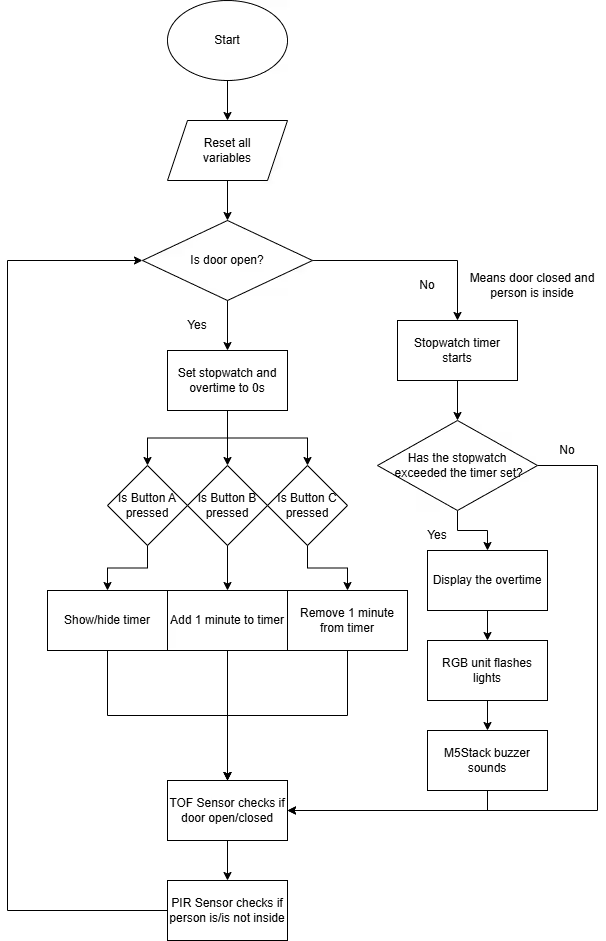
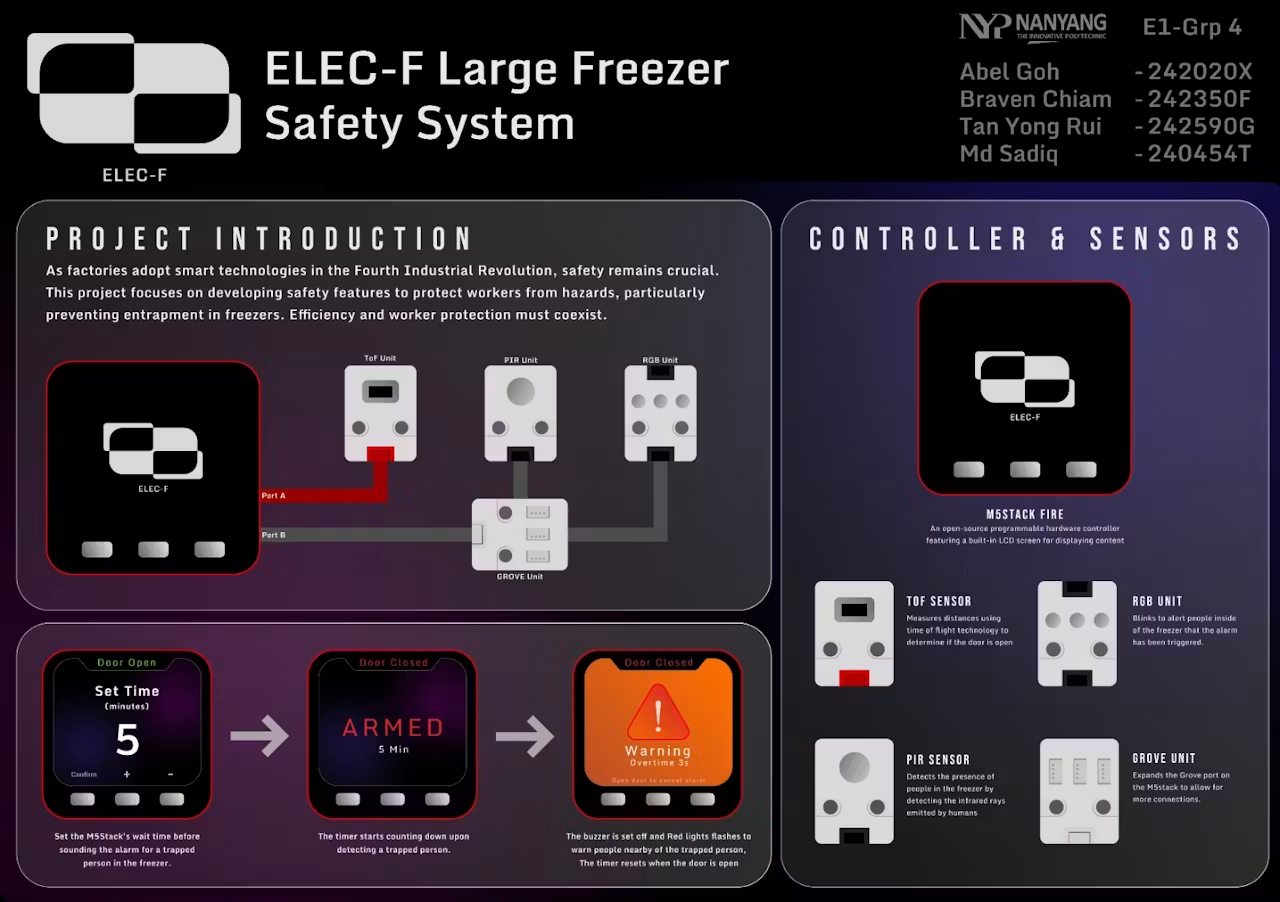
ELEC-F runs on a simple loop. While the door is open, you set a timer on the M5Stack. The moment the door closes, that timer arms. If it runs out while someone is still inside, the alarm fires. Step through it below.
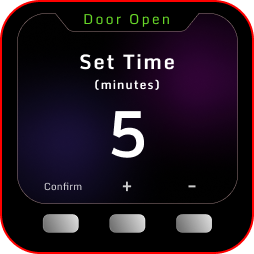
Set the timer
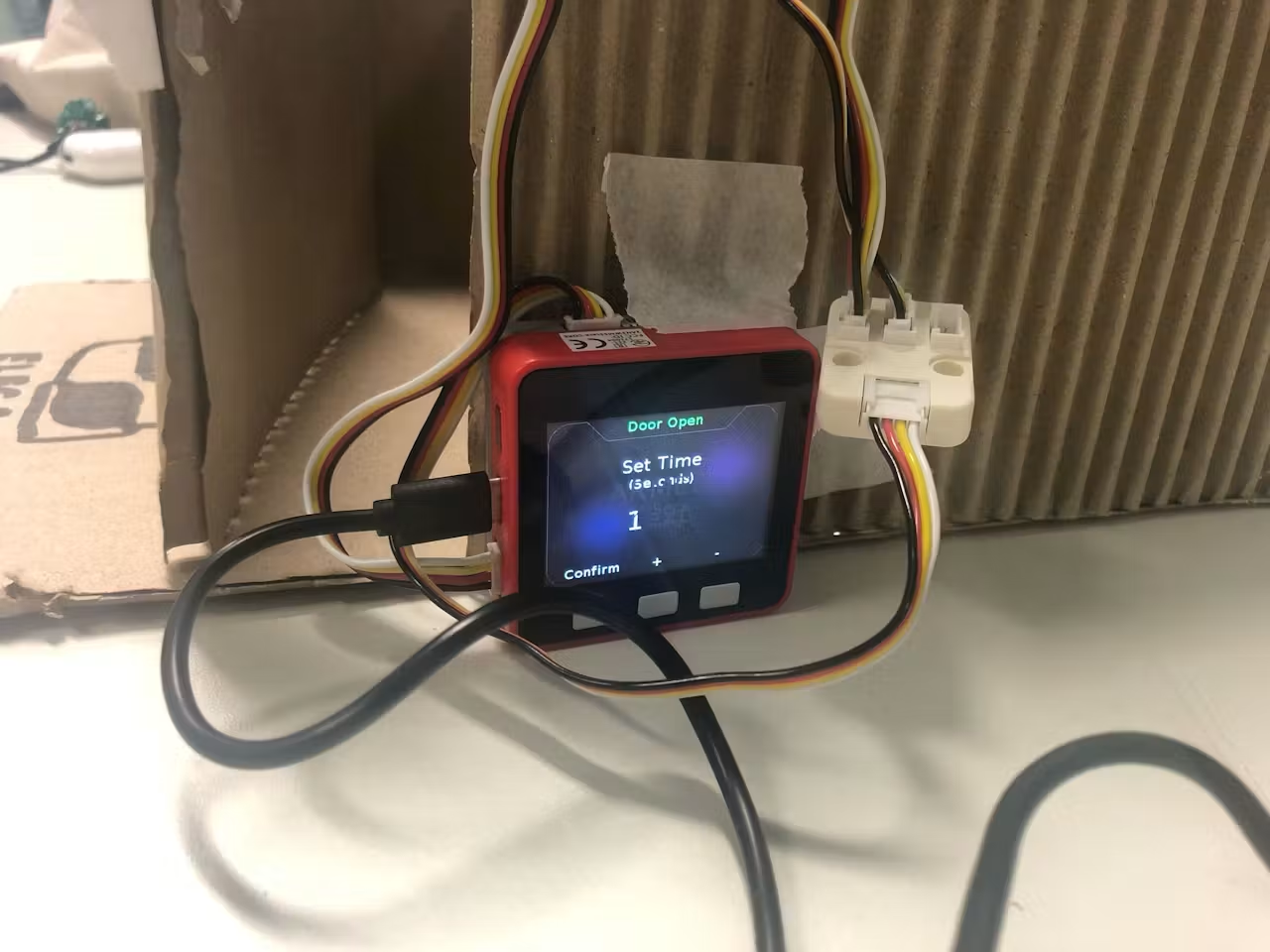
A worker steps into the freezer. The PIR sensor reads their body heat and movement, while the ToF sensor sees the door as open. On the M5Stack, you set how long the door is allowed to stay shut.
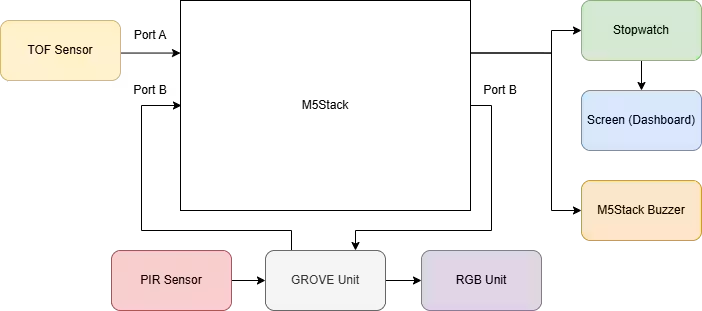
Under the hood, four jobs run together:
- Stopwatch. When the door is open, set a time limit on the M5Stack. Closing the door starts the clock.
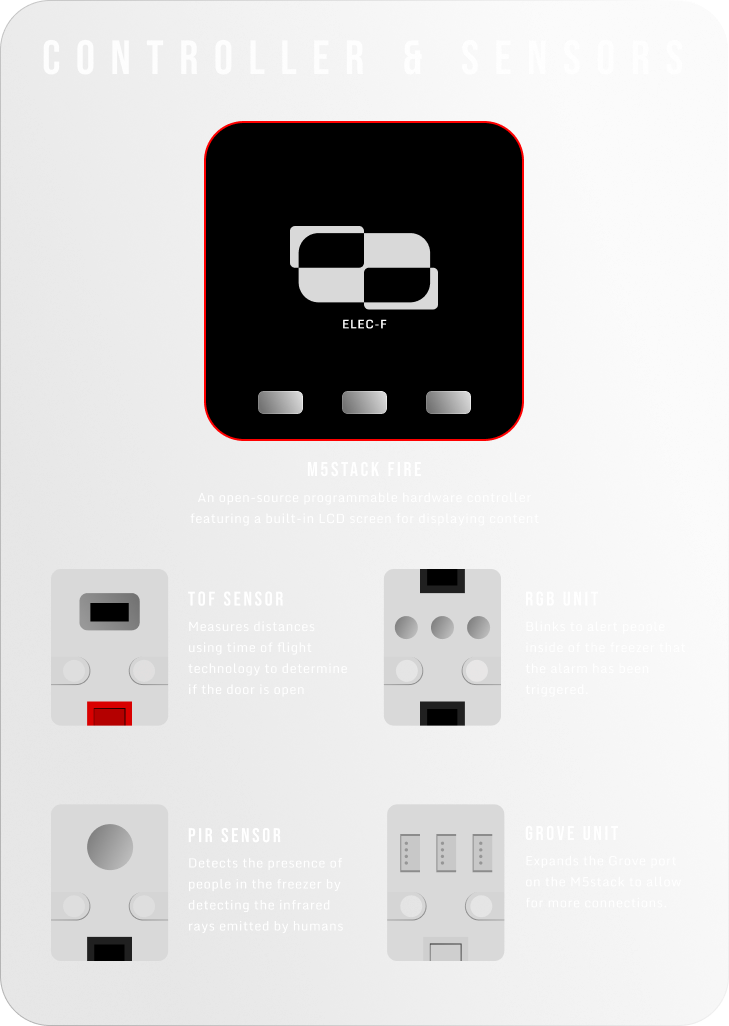
- Door sensor. A ToF (time-of-flight) sensor measures distance to tell whether the door is open or closed.
- Human detection. A PIR sensor watches for body heat and movement to know if someone is still in the room.
- Danger alert. If the door stays closed past the limit with a person inside, the RGB unit flashes and the buzzer sounds to alert anyone nearby.
We chose ToF and PIR sensors on purpose: both keep working at sub-zero temperatures, which is exactly what a freezer demands.
The hardware
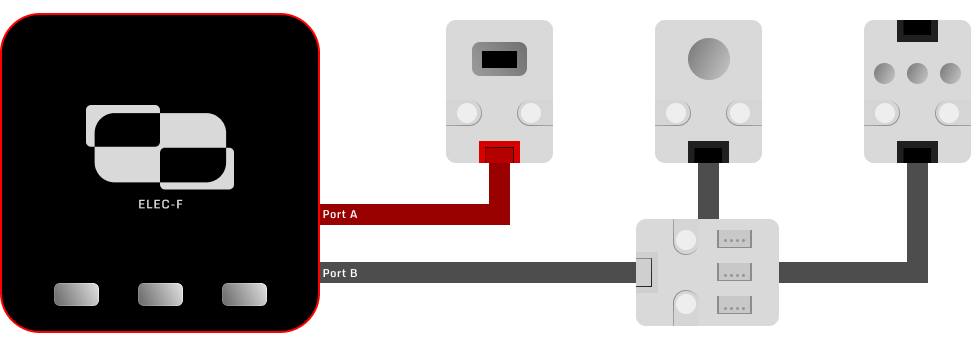
The whole system is built from M5Stack parts, which made it quick to prototype and easy to swap modules. Two M5Stack Fire controllers act as the brains and the display, with a Mini Hub unit fanning out their single port so every sensor has somewhere to plug in.




The logic
Here is the full decision loop the M5Stack runs, from setting the timer to sounding the alarm. The buttons adjust the limit while the door is open; once it closes, the stopwatch takes over and the sensors decide what happens next.
The build
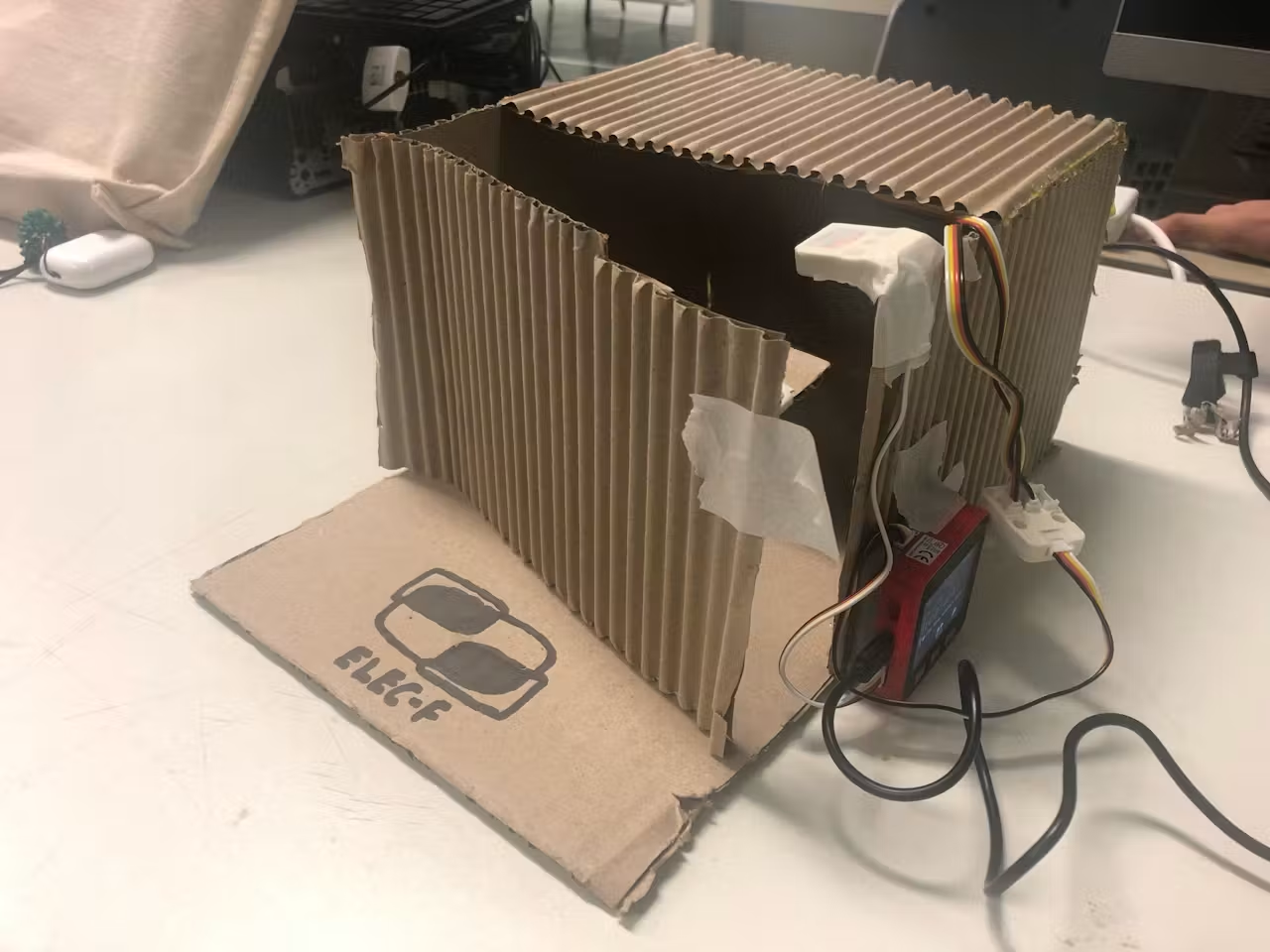
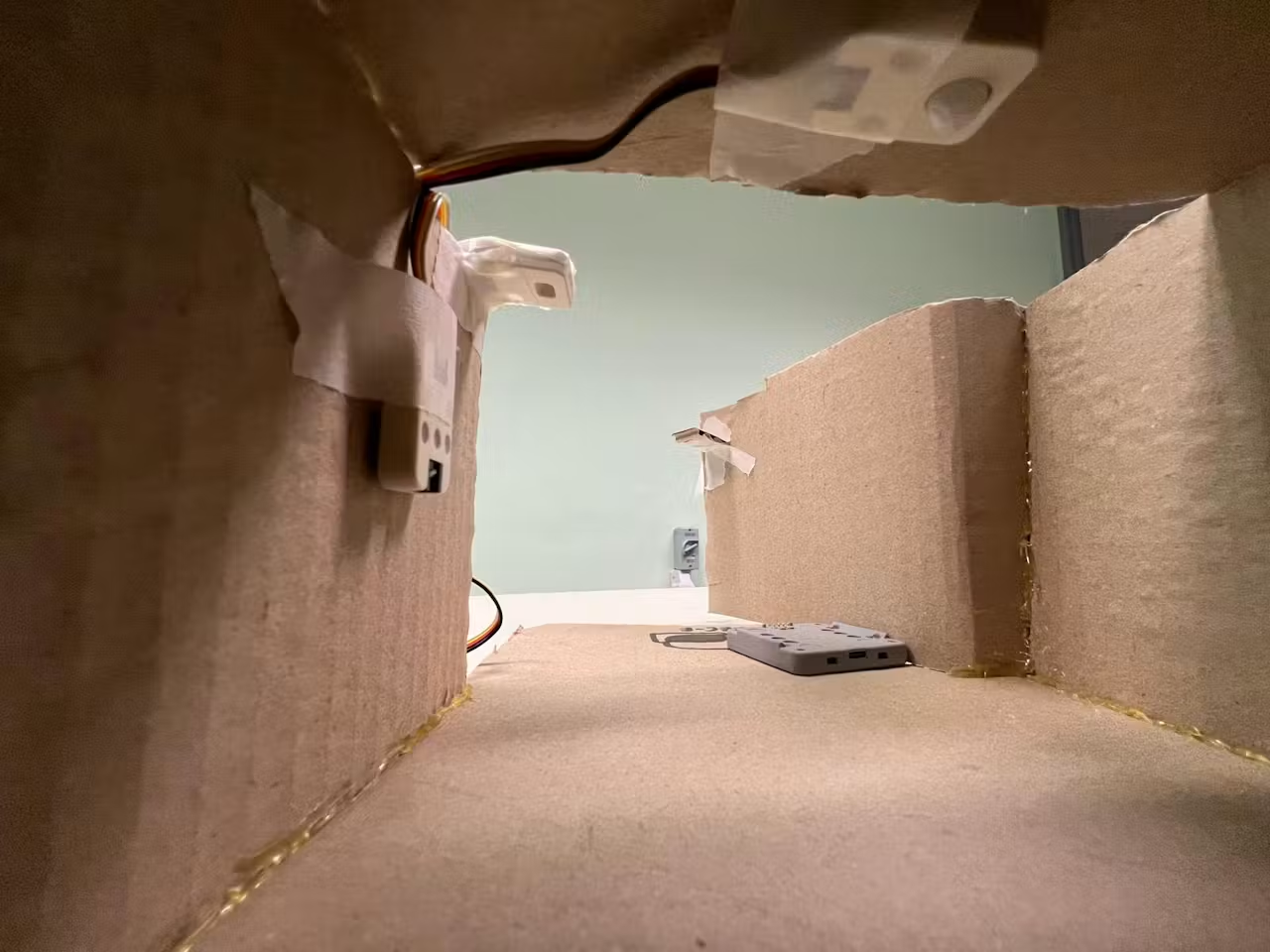
We modelled the freezer and its door out of cardboard so we could test the sensors and the timing end to end before worrying about a finished enclosure. It was rough, but it let us prove the whole loop worked.
The team